
Welcome to the Good Life Chronicles, where living a good life takes center stage.
We tend to think of green space, parks, gardens, and trees on the street as decorative and pretty for weekends and walks. But we might be better off thinking of green space as something that belongs in the same conversation as longevity.
The research is clear on this.
People living closer to green space have lower mortality rates than those who don't. Studies using biological markers found that living near more greenery was associated with slower epigenetic aging, the biological clock running inside our cells, by up to two and a half years. Longer telomeres, a marker linked to cellular aging, and lower rates of Alzheimer's disease have also been tied to green space exposure.
Who knew that something as simple as a tree outside your window could potentially change how fast your cells age. But the pattern is consistent enough across different countries and study designs that researchers are increasingly describing nature as a form of health infrastructure, something cities should be planning in the same way they plan bridges, overpasses and commercial areas.
Why would this work? A few theories overlap. Green space tends to reduce stress hormones simply through exposure. It encourages more movement, since parks invite walking in a way that parking lots don't. It improves air quality nearby. And it tends to bring people into contact with neighbors and community in a way that indoor spaces don't.
And my favorite reason, they are quiet. If you live in a city, you know exactly why and how much this matters to sleep, the amount of outdoor exercise you get and whether you even open your windows or use your balcony. Noise is a deterrent to all of those.
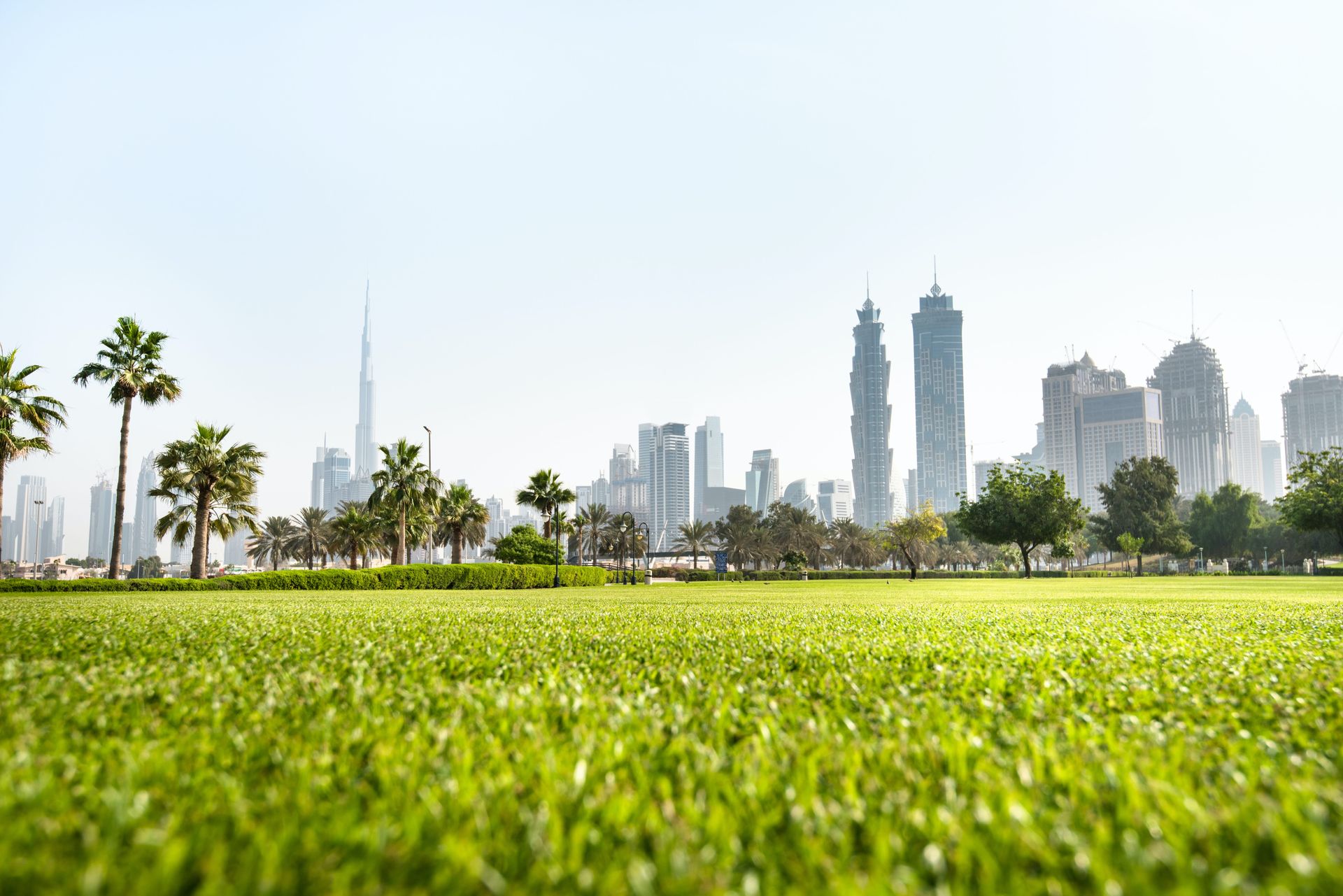
Luckily, you don't need to move to more rural or expensive areas for this to matter. Even small, regular doses of green space counts. A walk through a park on your lunch break. A balcony with a few plants. Choosing the route with trees over the route without. Purposefully finding a park on the weekends to spend time in.
If your daily routine is mostly concrete, indoors, and screens, consider this your reminder to notice how much green space you're actually getting, and whether there's an easy way to get a bit more without overhauling your life.
It's a good reminder too that health infrastructure isn't only about overpasses. The tree outside your building, the small park a few blocks over, the plants on a windowsill, these count for more than we give them credit for.
This week, try choosing the greener route at least once, even if it takes a few minutes longer.
Do you have regular access to green space where you live, and do you make use of it? And if you don't, how far away is it?
Share your thoughts in the comments here or below depending on your platform. Remember to sign in to leave a comment.
While you’re here!
If you like the idea of happiness and feel someone in your life should too, pass along this newsletter. They can sign up here.
Why not learn the skills of good living for yourself? Sign up to my course here, you can also “gift” the course to others.
Finally, do you work somewhere in the GCC that could use a little uplifting? See my programs for organizations here.
Have a great week and remember: Life is short, make it matter.
Dr. Louise





Responses